Ask two researchers to repeat the same study and there’s a good chance they won’t get the same results. That’s the core of the replicability problem. Replicability simply means: If you repeat a study, you should get the same outcome. But…
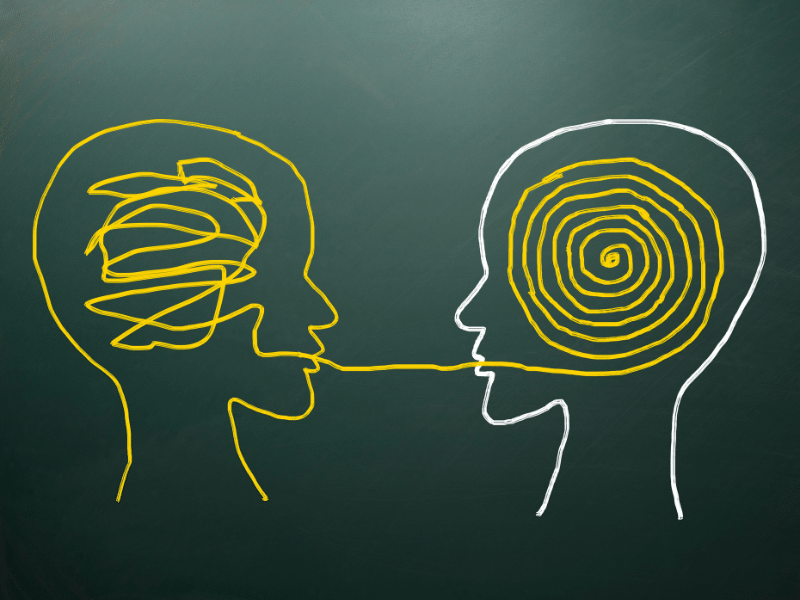
You Think You Know Your Customer… A Quick Self-Check to Be Sure
Most businesses believe they understand their customers. They’ve built personas. They’ve run surveys. They’ve looked at the data. And on the surface, it feels like enough. But knowing your customer isn’t just about what they say, or how they look on…

You next big innovation – locked in the consumers’ mind?
What products make you stand out? The goal of any product is to meet the needs of the consumer. The greater the connection between the two, the better the chances of a successful and long-lasting product life. Crucially, brands should complete…

The psychology of charity support
Do you know what is motivating your supporters? In order to influence donors, we need to understand their motivations. At Emotional Logic we help charities understand charity supporter motivations through psychology. Here is an example how our research makes a difference:…

The Best Way to do web UX research
Did you know that web users are only consciously aware of 30% of the browsing process. It is the unconscious mind, system 1 reactions, that is actually in charge of the majority of the browsing process. Is your current user experience…

Key Travel & Tourism Trends for 2025
Unlocking Traveller Behaviour with Emotional Insights The travel industry is evolving rapidly, and 2025 is shaping up to be a year of major shifts in traveller behaviour. With growing demand for authentic experiences, AI-driven personalisation, and deeper emotional connections, tourism brands…

Mind the Gap: Why What People Say and What They Do Don’t Always Match
What is the Say-Do Gap Ask people what they want, and they’ll tell you. Watch what they do, and it’s often something very different. That’s the say–do gap. It’s the reason why research answers don’t always match real market behaviour. People…

How your consumer’s unconscious mind can help your brand grow faster
Is your brand too reliant on the conscious mind? Have you ever tried to remember what you bought the last time you went to the supermarket? And by this we mean every single item you put into your trolley and through…

How to make insight more valuable within your organisation
Return on investment is a widely established metric in any business sector – why should market research be any different? Yet for a long time our industry seemed to be relatively exempt from scrutiny, but that’s changing as in recent years…

How to develop better personas with Behavioural Science
Persona development is the cornerstone of human-centred design and marketing. Creating personas will help your team more easily understand the needs and expectations of your customers. Well-formed personas help you develop better products, services, communication and experiences for your customers and…